Dark Facts Revealed Cover
⚠   Classified Information   ⚠

The Dark Facts
Survival Checklist

27 Things That Could Save Your Life
Most People Learn Too Late
@DarkFactsRevealed  |  YouTube Shorts
What's Inside

Introduction

The Knowledge Gap That Kills

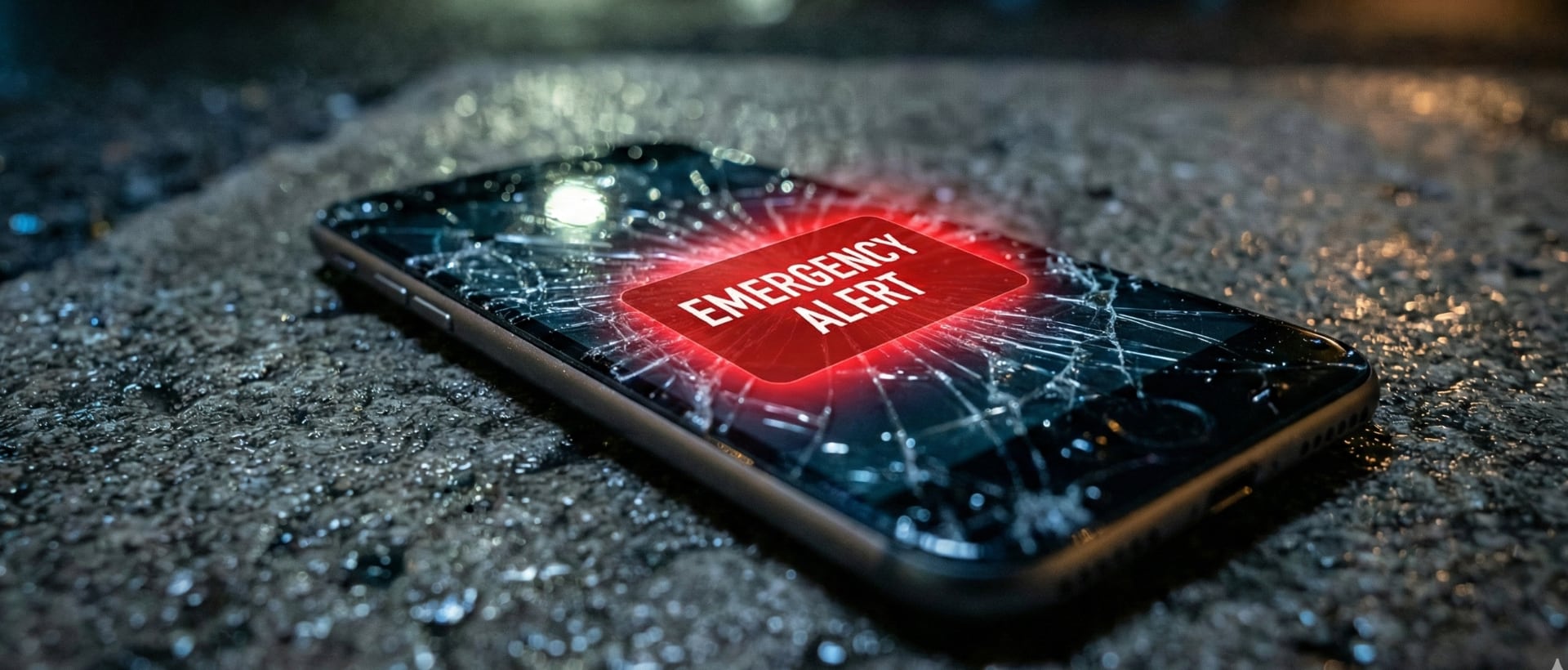
Emergency Alert on Cracked Phone

Most people believe they are prepared for emergencies. They have a smoke detector. They know to dial 911. They think they've seen enough survival movies to improvise when things go wrong.

They are wrong. And that assumption is exactly what gets people killed.

The gap between what people think they know and what they actually need to know is wider than most will ever admit. Dark Facts Revealed exists to close that gap — one disturbing, educational truth at a time.

⚠ Important Notice

This checklist contains factual, evidence-based information drawn from medical research, emergency management studies, and survival science. It is not a substitute for professional medical advice. The goal is awareness, because awareness is the first step toward survival.

Affiliate disclosure: As an Amazon Associate we earn from qualifying purchases. Some links in this guide are affiliate links, at no extra cost to you.

73% of Americans have no emergency kit at home
8 min average emergency response time in the US
27 facts in this guide that could save your life

What follows are 27 facts most people learn too late. Read them. Apply them. Share them with people you care about.

Medical Emergencies Nobody Teaches You

Facts 1–7 · Your body can fail in ways your doctor won't tell you about until it's too late

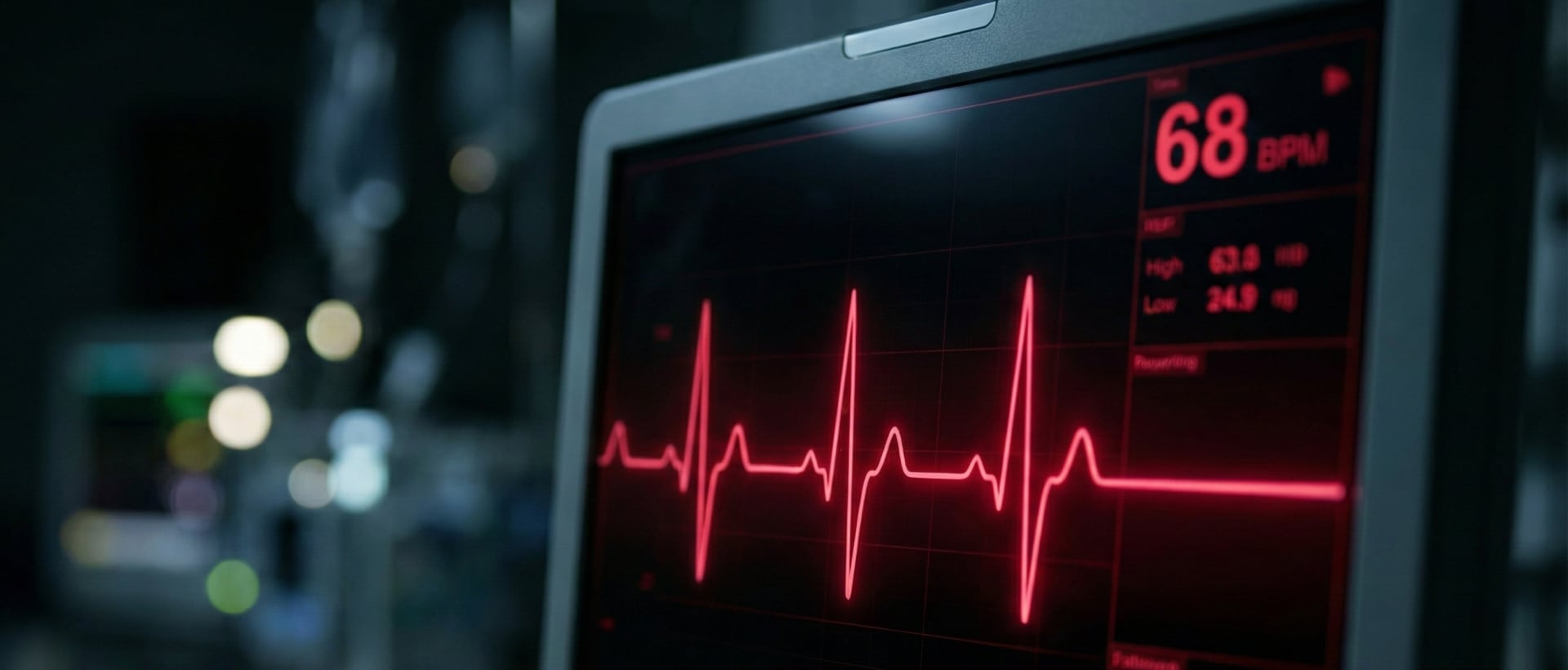
Flatlining Medical Monitor
01

Silent Heart Attacks Are Real — And Common

Nearly 45% of all heart attacks are "silent" — meaning no chest pain, no dramatic collapse. The person feels mild fatigue or indigestion and goes to bed. They don't wake up. If you feel persistent jaw pain, left arm discomfort, or unexplained exhaustion — don't ignore it.

02

Your Blood Oxygen Can Drop Before You Feel It

Hypoxia — dangerously low blood oxygen — causes euphoria and confusion before panic. Pilots call it "happy hypoxia." COVID patients experienced it without knowing. A pulse oximeter ($20 on Amazon) can detect it in seconds. Your feeling of being "fine" is not proof that you are.

03

Carbon Monoxide Has No Smell, No Color, No Warning

It is called the silent killer for a reason. Over 400 Americans die from CO poisoning every year — most in their own homes, while sleeping. Furnaces, generators, and gas appliances are the main sources. A CO detector placed near sleeping areas costs $25 and takes 5 minutes to install. There is no excuse not to have one.

04

A Tourniquet Used Correctly Can Save a Life in Under 90 Seconds

Uncontrolled bleeding is the #1 preventable cause of death from traumatic injury. Modern CAT tourniquets can be self-applied with one hand. Yet most people have never held one. Knowing how to apply it correctly under pressure is a skill worth having before you need it.

05

Stroke Symptoms Disappear and Come Back Worse

A "mini-stroke" (TIA) often resolves in minutes — so people assume they're fine. In reality, 15% of major strokes occur within 3 days of a TIA. If someone uses the F.A.S.T. test (Face drooping, Arm weakness, Speech difficulty, Time to call 911), even if symptoms stop — go to the hospital. The window closes fast.

06

Sepsis Kills More Than Breast Cancer and Prostate Cancer Combined

Sepsis is the body's extreme response to infection — and it progresses from mild symptoms to organ failure in hours. Confusion, extreme shivering, rapid heart rate, and difficulty breathing after any infection are warning signs most people mistake for the flu.

07

High Blood Pressure Is Symptomless Until It Destroys You

Known as the "silent killer" alongside CO, hypertension rarely causes noticeable symptoms. Nearly 1 in 3 adults has it without knowing. An inexpensive home blood pressure monitor ($30–$50) checked weekly can detect a problem years before a stroke or heart attack announces it for you.

Recommended Resource

Build Your Medical Awareness Kit

Pulse oximeters, BP monitors, CO detectors, and trauma kits — curated and linked for you.

→ View Dark Facts Gear List (Amazon)

Survival & Environmental Threats

Facts 8–14 · Hidden dangers in your home, water, and everyday environment

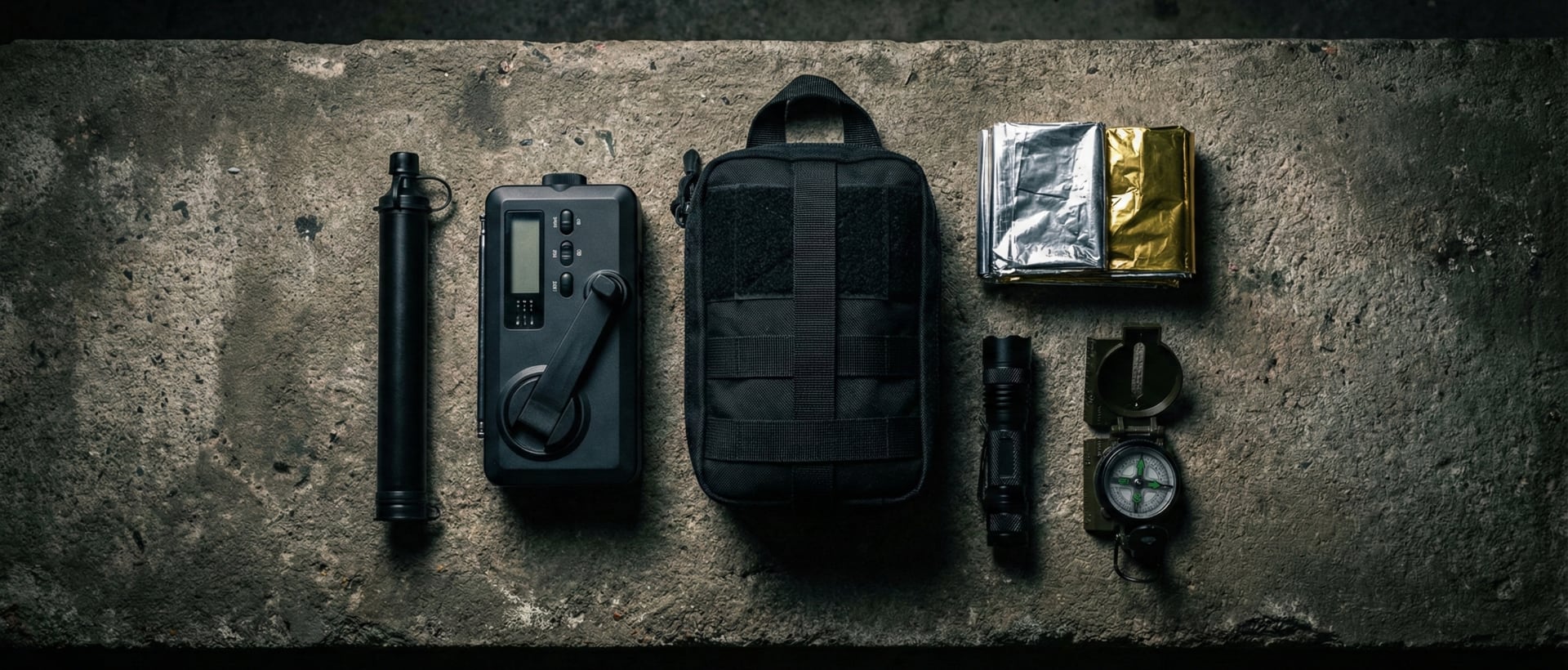
Tactical Survival Kit Flatlay
08

Tap Water Is Not Always Safe — Even in Developed Countries

The Flint, Michigan crisis exposed what scientists already knew: aging infrastructure means lead, bacteria, and chemical contamination is possible in any older city. A LifeStraw or similar filtration device can remove 99.9999% of bacteria and microplastics from any water source. Keep one in your home and your car.

09

You Have 72 Hours Before Infrastructure Fails

FEMA's own research shows that after any major disaster, government assistance takes an average of 72 hours to reach civilians. Grocery stores run out of food within 24 hours of a crisis. Having a 3-day emergency kit at home is not paranoia — it is basic modern competence.

10

A Power Grid Failure Can Last Weeks, Not Hours

The 2021 Texas winter storm left 4.5 million homes without power for up to two weeks in sub-zero temperatures. Communication dies with the grid. A hand-crank emergency radio that receives NOAA weather bands is one of the most underrated survival tools you can own for under $30.

11

Your Phone Dies When You Need It Most

Emergency situations drain phone batteries fast — calls, flashlight use, and location sharing. A solar charging panel or hand-crank generator weighs less than a pound and can keep your communication alive indefinitely without an outlet. This is not optional gear. It is a survival lifeline.

12

EMPs Are Not Science Fiction Anymore

An electromagnetic pulse — from a nuclear detonation at altitude or a severe solar storm — can permanently destroy all unshielded electronics in an instant. The 1859 Carrington Event melted telegraph lines. A repeat today would erase modern civilization's infrastructure. Faraday bags for your critical electronics cost $15 and take 10 seconds to use.

13

Most People Cannot Navigate Without GPS

In 2019, researchers found that heavy GPS use is linked to weaker spatial memory, the brain skill responsible for navigation, in frequent GPS users. A simple liquid-filled compass and basic map-reading ability can be learned in an afternoon. They work when every satellite in the sky is dead.

14

You Cannot Drink Ocean Water — But You Can Make Water From Air

Saltwater dehydrates you faster than drinking nothing. What most people don't know: atmospheric water generators and solar stills can pull drinkable water from air humidity — a survival technique documented across military survival schools worldwide. Knowing multiple water acquisition methods could be the difference between life and death.

Recommended Resource

Start Your Survival Kit Today

Emergency kits, LifeStraws, hand-crank radios, and Faraday bags — everything from this section, linked and ready.

→ View Survival Gear on Amazon

Psychological Dark Facts

Facts 15–20 · How your own mind becomes your greatest threat in a crisis

Silhouette in Cracked Mirror
15

The Bystander Effect Will Get You Killed in a Crowd

Psychological research confirms that the more witnesses there are to an emergency, the less likely any single person is to help. Everyone assumes someone else will act. If you collapse in a crowded street, you are statistically less likely to receive help than if you collapse in front of one person. If you're ever in need, point directly at one specific individual and give them a specific instruction. That breaks the effect.

16

Tunnel Vision Under Stress Makes You Miss the Exit

Under acute stress, the brain's threat-response system narrows your field of vision and attention — literally. This is called perceptual narrowing, and it's why people in fires walk past clearly marked exits. Training yourself to scan for exits every time you enter a new building is a documented life-saving habit used by military operators and first responders.

17

Your Memory of a Traumatic Event Is Unreliable

The human brain reconstructs memories rather than replaying them like a video. Under trauma, false details are added and real ones are lost — often permanently. This is not a weakness; it's neuroscience. It's why eyewitness testimony is statistically unreliable and why police documentation immediately after an event is critical.

18

Normalization Bias Makes You Freeze at the Worst Moment

When disaster strikes, most people don't run. They stand still and look for proof that it isn't really happening. Researchers call this "normalcy bias" — the mind's refusal to accept an abnormal event as real. Survivors of disasters consistently report being the person who moved immediately, while everyone else looked around in confusion.

19

Sleep Deprivation Mimics Intoxication

Being awake for 17 hours produces cognitive impairment equivalent to a blood alcohol level of 0.05%. At 24 hours, it matches 0.10% — legally drunk. Yet society normalizes sleep deprivation entirely. The decisions you make at hour 20 of being awake carry the same risk as making them drunk.

20

The Most Dangerous Predators Are the Most Charming

Research on psychopathy and predatory behavior consistently finds that the most dangerous individuals exhibit above-average social skills and charm. The "gift of fear" — the instinctive sense that something is wrong despite a person seeming friendly — is documented as a reliable safety signal. If you feel it, act on it. Your primitive brain often detects what your rational mind dismisses.

Go Deeper — Free Audiobook

"Mindhunter" — Inside the FBI's Mind

The book that defined criminal psychology. Understand how dark minds work — free with your Audible trial.

→ Get It FREE on Audible (30-day trial)

Dark History Lessons That Still Apply

Facts 21–24 · What civilizations paid for in blood — so you don't have to

Ancient Dark Library
21

Supply Chain Collapse Happens Within Days

The 1973 oil embargo, the 2020 pandemic, and every major war in history demonstrate the same pattern: modern supply chains fail within 72–96 hours of a disruption. Grocery stores operate on "just-in-time" inventory — meaning they carry only 3 days of product. History's survivors always prepared before the crisis, not during it.

22

Pandemics Follow Predictable Patterns — And Humans Ignore Them Every Time

The 1918 Spanish Flu killed 50 million people. The first wave was mild. Cities that dismantled precautions after the first wave were devastated by the second wave, which killed 10x more people. This pattern repeated in COVID-19. History does not punish ignorance gently.

23

Financial Collapse Wipes Out Those Without Tangible Assets

During the Weimar Republic hyperinflation (1921–1923), a wheelbarrow of cash could not buy a loaf of bread. Those who survived held gold, land, or goods. Digital wealth, bank accounts, and paper currencies are entirely dependent on trust in institutions — trust that has collapsed repeatedly throughout history.

24

The Most Dangerous Moment Is When People Feel Safe Again

Historical analysis of every major civilization collapse, pandemic, and war shows one consistent pattern: the catastrophic failure follows a period of complacency. Rome did not fall on its worst day. It fell after centuries of believing it was invincible. The lesson is not paranoia — it is vigilance maintained during peace.

Ocean & Space Threats Closer Than You Think

Facts 25–27 · The existential dangers most people are too comfortable to consider

Deep Ocean and Space Abyss
25

95% of the Ocean Has Never Been Seen by Human Eyes

We have better maps of the surface of Mars than of the ocean floor. The deep ocean contains pressure levels that would crush a submarine, temperatures near absolute zero, and creatures that defy biological expectation. Rogue waves — walls of water up to 100 feet tall that appear without warning — were dismissed as myth by scientists until they were measured by instruments in 1995.

26

A Solar Superstorm Could Destroy All Modern Electronics Simultaneously

The Carrington Event of 1859 was the most powerful solar storm in recorded history. If it happened today, it would knock out power grids globally, disable satellites, and destroy the electronics of every unshielded device on earth. NASA estimates there is a 12% chance of a Carrington-class event in any given decade. We are not prepared.

27

There Are Over 2,000 Asteroids NASA Flags As Potentially Hazardous

NASA tracks over 2,000 "Potentially Hazardous Asteroids": space rocks big enough to devastate a city or entire region on impact. The Chelyabinsk meteor of 2013 injured 1,500 people — and it wasn't even on any watch list. The Planetary Defense Coordination Office exists specifically to find threats we haven't discovered yet. The universe does not care about our schedules.

Your Action Plan

Now That You Know — Act

Awareness without action is just anxiety. The purpose of this guide was never to frighten you — it was to give you the edge that most people don't have.

The Dark Facts Survival Priority List

  1. Install a CO detector in every bedroom tonight — $25 and 5 minutes
  2. Buy a pulse oximeter — know your baseline oxygen level before you need it
  3. Assemble a 72-hour kit — water, food, first aid, radio, flashlight, power bank
  4. Add a LifeStraw to your kit and your car — clean water from any source
  5. Learn the F.A.S.T. stroke test and teach it to your family — takes 60 seconds
  6. Practice exiting every new building you enter — locate all emergency exits within 30 seconds of arrival
  7. Read one dark history book per quarter — pattern recognition is a survival skill
Everything You Need — One Place

The Dark Facts Survival Gear List

Every item from this guide — curated, rated, and linked on Amazon. No searching required.

→ View Full Gear List (Amazon)
Go Deeper — Free Audiobook

Continue Your Education — Free

"Deep Survival," "Mindhunter," "The Gift of Fear" — the books that go further than any checklist. Get the first one free with a 30-day Audible trial.

→ Start Your Free Audible Trial

Stay Prepared. Stay Alive.

The world rewards those who pay attention to the things everyone else ignores.

You now hold information that most people will never seek out — because it is uncomfortable. Because it forces them to confront how fragile normalcy actually is.

Better to know and never need it,
than to need it and never know.